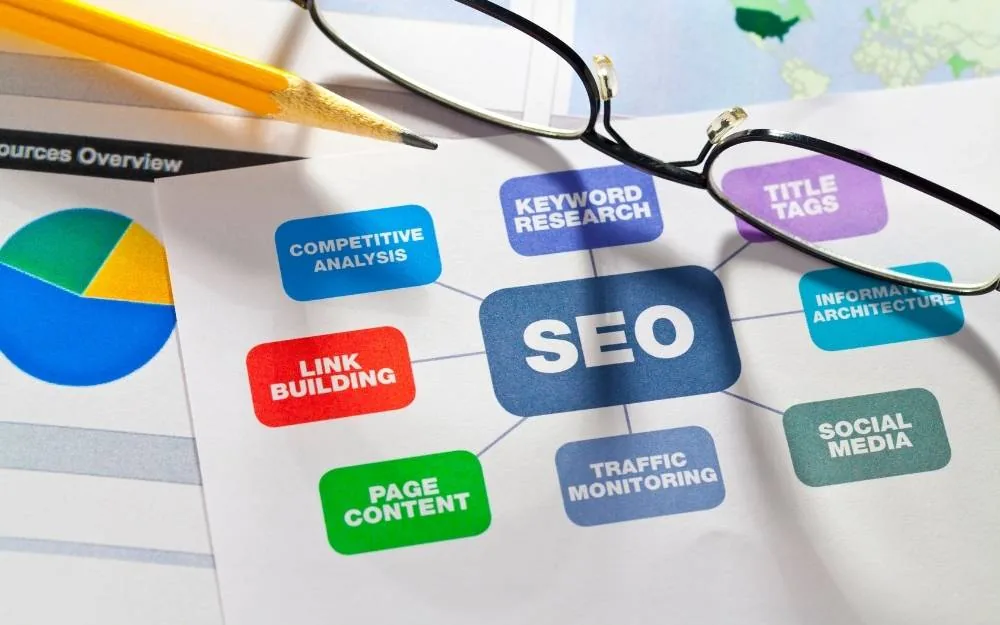
SEO has evolved, but the fundamentals of on-page optimization remain critical. Algorithms are smarter, AI is reshaping search behavior, and user intent is more nuanced than ever—yet sites still fail because they ignore the basics. Not outdated tactics. Foundational execution.
If you want sustainable rankings, traffic stability, and long-term authority, these on-page SEO fundamentals still matter—more than most people admit.
Search Intent Is the Real Ranking Factor
Keywords don’t rank—intent does.
Modern on-page SEO starts with understanding why someone is searching:
Are they researching?
Comparing?
Ready to act?
Looking for a quick answer?
Pages that align tightly with intent outperform keyword-stuffed content every time. If your page doesn’t solve the searcher’s actual problem, optimization won’t save it.
Title Tags Still Control Click-Through Rate
Your title tag is not just an SEO element—it’s an ad.
Effective title tags:
Clearly state value
Match search intent
Avoid vague language
Stay within optimal length
Prioritize clarity over cleverness
High rankings with low CTR still lose traffic. Titles decide whether you get the click.
Meta Descriptions Influence Behavior, Not Rankings
Meta descriptions don’t directly affect rankings—but they strongly affect engagement.
Strong descriptions:
Reinforce relevance
Set clear expectations
Highlight benefits
Encourage action
Poor descriptions increase bounce rates, which does affect performance.
Content Structure Drives Both SEO and UX
Search engines and users scan before they read.
Proper structure includes:
Logical heading hierarchy (H1–H3)
Short, focused sections
Clear topic segmentation
Scannable formatting
Structure improves crawlability, comprehension, and dwell time—all ranking signals.
On-page SEO now includes how the page feels.
Critical factors:
Load speed
Mobile responsiveness
Visual clarity
Readability
Stability
If users struggle, rankings follow.
Semantic Relevance Beats Keyword Density
Exact-match obsession is outdated. Semantic understanding is not.
Modern SEO favors:
Natural language
Related concepts
Contextual relevance
Entity-based optimization
Write for understanding. Optimize for meaning.
Freshness and Maintenance Matter
Pages decay if ignored.
Ongoing optimization includes:
Updating outdated sections
Improving clarity
Adding new insights
Aligning with evolving intent
SEO is not “set and forget.” It’s upkeep.
Final Perspective
On-page SEO fundamentals aren’t glamorous—but they’re decisive. While others chase shortcuts, sites that execute the basics with precision win consistently. Search engines reward clarity, relevance, structure, and usefulness.
The fundamentals still matter because they always have.